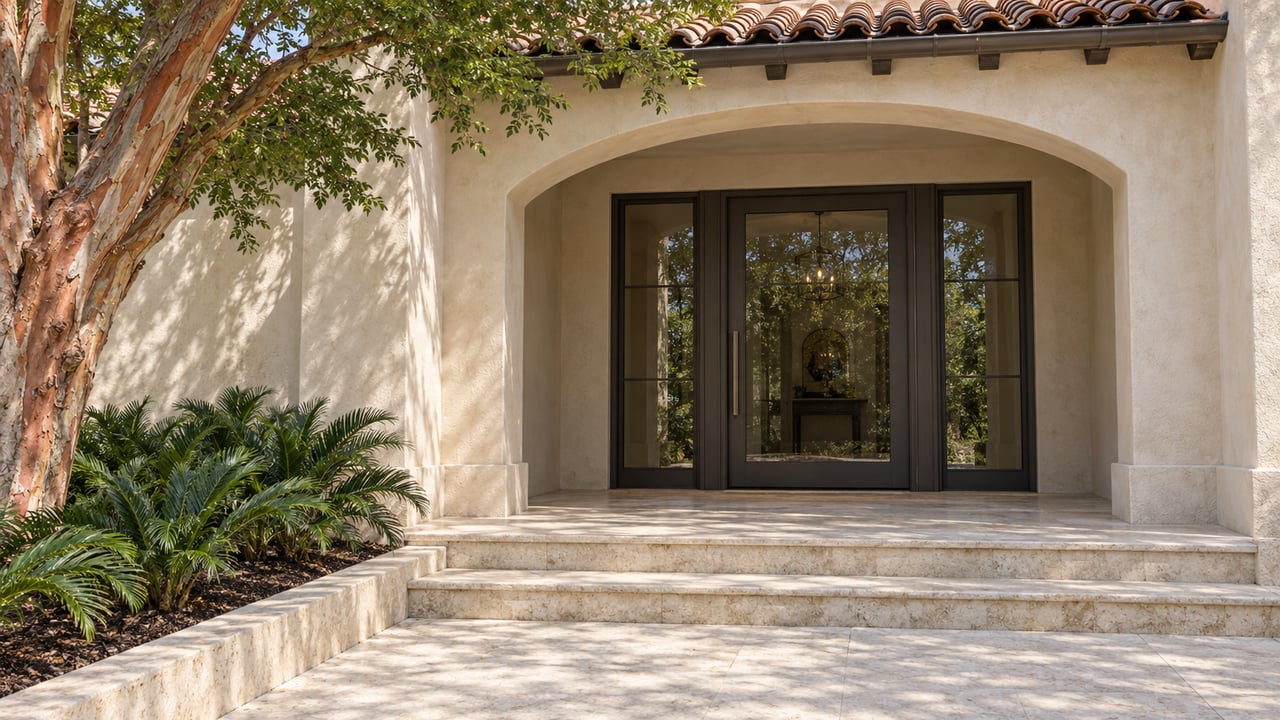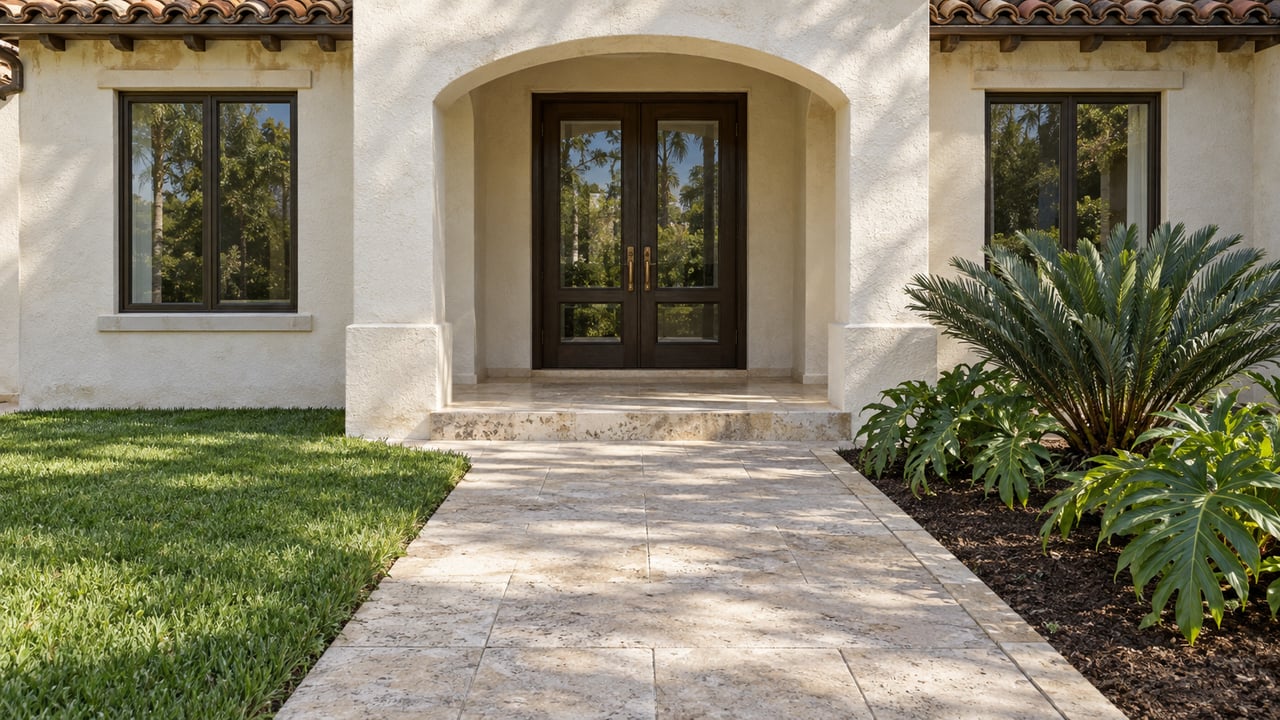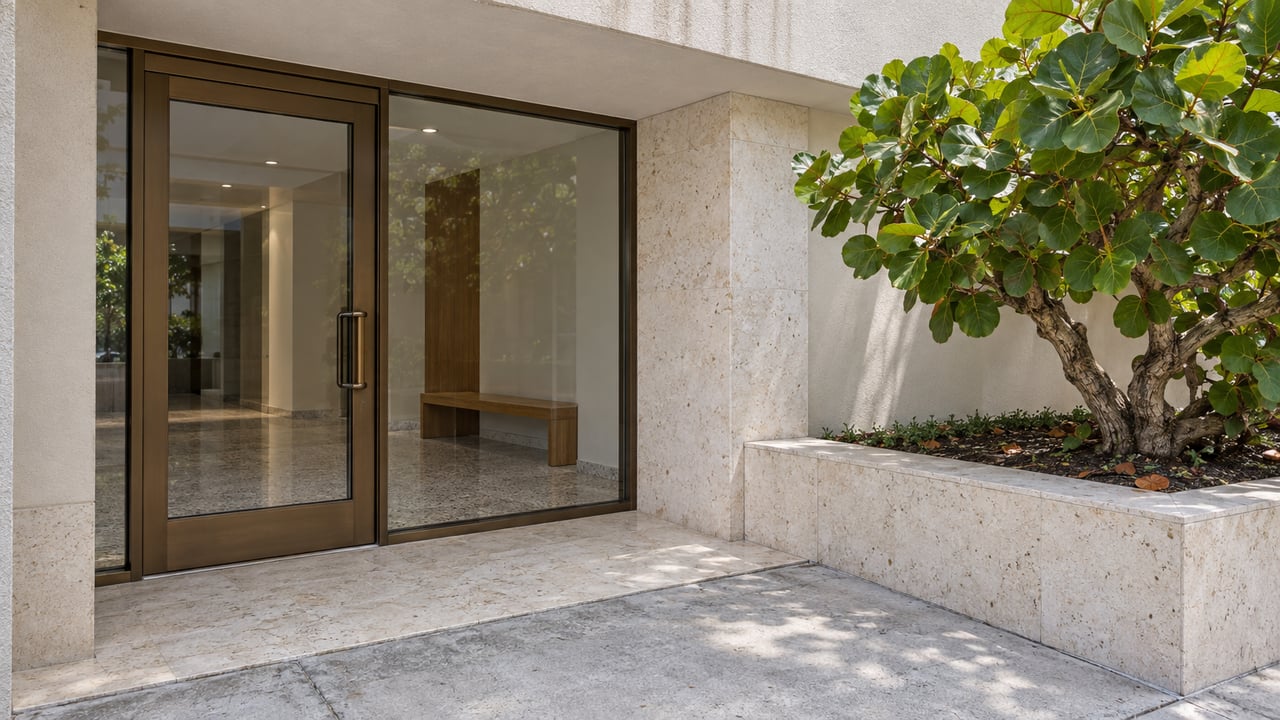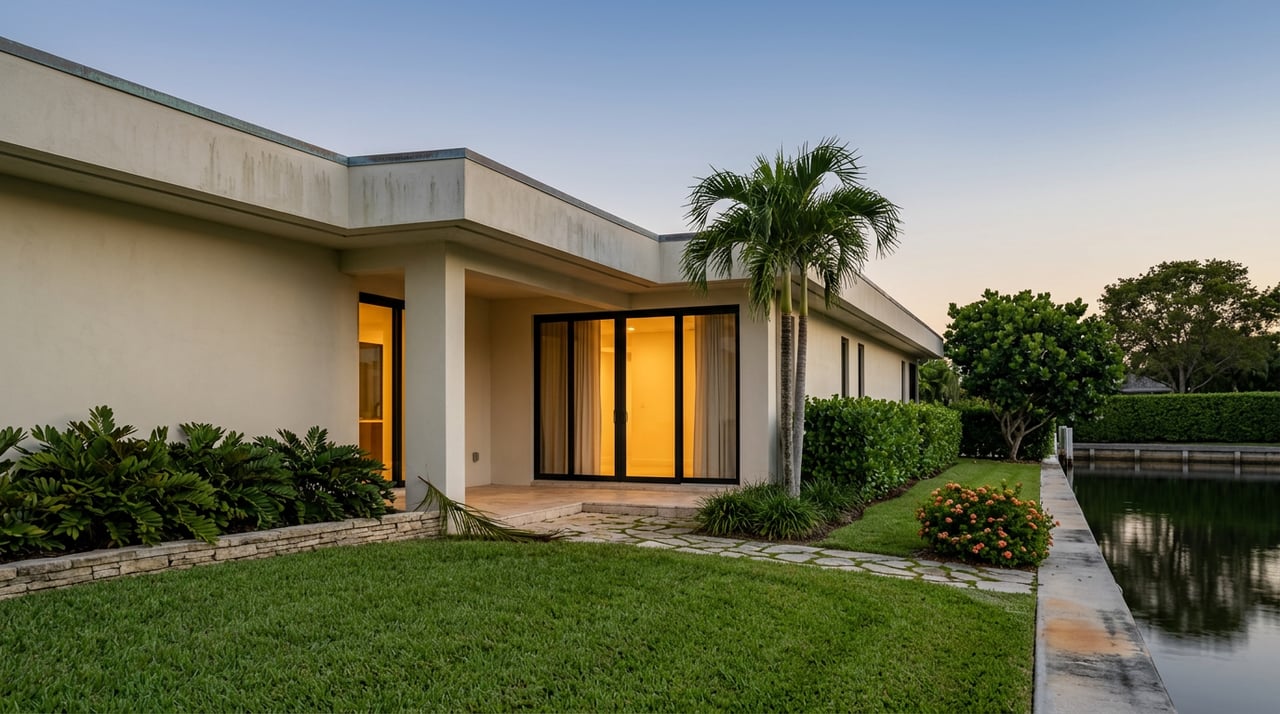
In the lush, tropical environment of South Florida, homes are exposed to a unique mix of heat, humidity, heavy rainfall, and shifting soil conditions. These factors make proper foundation care not only important but essential. For homeowners in Pinecrest, Palmetto Bay, and the surrounding areas, understanding how to maintain your house's foundation can save you from costly repairs and protect your long-term property value.
At The Elena Kemper Group, we’ve helped countless South Florida buyers and sellers navigate the real estate process, and we know that well-maintained homes always stand out in the market. Foundation health is at the heart of that appeal.
Why Foundation Maintenance Matters in South Florida
The climate in South Florida is beautiful, but it can be tough on home structures. High water tables, seasonal storms, and clay-rich soil all contribute to movement beneath your home. Over time, this movement can cause cracks, misaligned doors and windows, uneven floors, and even structural instability.
Unlike other regions, many South Florida homes are built on slab foundations rather than full basements. These slab-on-grade foundations are vulnerable to shifting soil and moisture-related problems, making ongoing maintenance especially important.
A solid foundation provides more than just structural integrity. It also protects your plumbing, electrical systems, and interior finishes. Preventing foundation issues means fewer repairs across the board and a home that retains its value.
Step 1: Monitor Moisture Around the Home
One of the most important steps in foundation maintenance is managing moisture. In South Florida’s wet climate, excess water around your foundation can cause soil to expand, shift, and erode, leading to foundation cracks and sinking.
How to manage moisture:
- Make sure the soil around your home slopes away from the foundation to encourage drainage.
- Install gutters and downspouts that direct rainwater at least five feet from the house.
- Regularly clear debris from gutters to prevent overflow and water pooling near the slab.
- Consider a French drain or other underground drainage solution if your yard tends to flood.
During the dry season, soil shrinkage can also be an issue. If the ground around your foundation gets too dry, it can contract and create voids. Avoid over-drying the soil by maintaining consistent irrigation, especially during drought periods.
Step 2: Inspect for Cracks and Settling
Cracks in your foundation or exterior walls aren’t always a cause for panic, but they should never be ignored. In South Florida, where the ground shifts more than in many other regions, small cracks can quickly grow into structural issues.
What to look for:
- Vertical or stair-step cracks in foundation walls or stucco
- Gaps around windows and door frames
- Uneven or sloping floors
- Cracks in tile or drywall
- Doors that stick or won’t close properly
Perform a visual inspection of your home's perimeter at least twice a year and after heavy storms. If you notice signs of settling or damage, call a licensed structural engineer or foundation specialist to evaluate the severity.
Step 3: Protect Against Tree and Root Damage
Landscaping is one of the great joys of owning a home in Pinecrest or Palmetto Bay. However, large trees planted too close to your foundation can pose a threat. As roots grow, they can displace soil and exert pressure on your slab. Alternatively, they can extract moisture from the soil, causing shrinkage and imbalance beneath your home.
Tips for safe landscaping:
- Avoid planting large trees (such as oaks or ficus) within 15 to 20 feet of your home.
- Use slow-growing, low-water plants near the foundation.
- If mature trees are already nearby, consider installing a root barrier to redirect growth away from your foundation.
Regular trimming and professional landscaping advice can help balance aesthetics and structural safety.
Step 4: Control Soil Erosion and Settlement
In many parts of South Florida, homes are built on sandy or clay soils. These types of soil are more prone to shifting with changes in water content. Erosion can also become a problem if your property is on a slope or near a canal.
To control soil erosion:
- Use mulch and ground cover plants to keep soil in place during rains.
- Maintain a healthy lawn or landscape with plants that hold the soil together.
- Avoid heavy foot traffic or equipment near the foundation, which can compact soil unevenly.
Over time, poorly managed soil can lead to pockets of instability under your home, increasing the risk of slab cracking or sinking.
Step 5: Watch for Plumbing Leaks Beneath the Slab
Homes in South Florida often have plumbing lines that run beneath the foundation slab. Leaks in these lines can saturate the soil, create erosion, and contribute to foundation instability. These so-called “slab leaks” are especially dangerous because they’re often hidden from view.
Signs of a slab leak:
- Unexpected increase in your water bill
- Hot spots on your floor (from leaking hot water lines)
- The sound of running water when no taps are open
- Damp or discolored flooring
If you suspect a leak, call a plumber immediately for a pressure test or leak detection service. Addressing a plumbing issue early can prevent major foundation damage later.
Step 6: Schedule Professional Inspections
Even the most attentive homeowner can miss early signs of foundation problems. That’s why periodic inspections by a professional can be a smart investment. A foundation specialist or home inspector can detect subtle changes and recommend preventive measures before a problem worsens.
For homeowners looking to sell in the near future, a foundation inspection can be an asset. A clean bill of health adds confidence for potential buyers and can boost your property’s marketability.
Bonus Tip: Consider Weather-Related Risk Factors
South Florida is no stranger to tropical storms and hurricanes. While these events often bring high winds, they also deliver intense rain in short bursts. Make sure your home is prepared to handle large volumes of water without damaging the foundation.
- Reinforce the grading of your yard before hurricane season.
- Keep sandbags on hand if you’re in a flood-prone area
- Seal visible cracks with appropriate caulking or epoxy before the rainy season.
After a major storm, it’s a good idea to reinspect your home’s perimeter and look for any signs of shifting or water damage around the slab.
Maintain Today, Protect Tomorrow
The foundation is one of the most important yet overlooked aspects of home maintenance, especially in South Florida, where environmental conditions increase the risks of damage. A little care goes a long way. By taking proactive steps to manage moisture, monitor changes, and address issues early, you can extend the life of your foundation and preserve your home’s value.
At The Elena Kemper Group, we’re passionate about helping South Florida homeowners protect their investments and make confident real estate decisions. Whether you're maintaining your current home or preparing it for sale, our team is here to offer guidance, connect you with trusted service providers, and help you navigate the unique conditions of the Pinecrest and Palmetto Bay markets.
To learn more or schedule a consultation, visit elenakempergroup.com and let us help you keep your foundation — and your future — secure.