Love the look of a Coral Gables home, but not sure what that style means once you actually own it? That is a smart question to ask before you buy. In Coral Gables, architecture is not just about curb appeal. It often shapes maintenance, renovation options, and even how a home fits into its lot and surroundings. If you are comparing historic charm with cleaner, more modern lines, this guide will help you understand what each style can mean in real life. Let’s dive in.
Why architecture matters in Coral Gables
Coral Gables was intentionally planned in the 1920s as part of a City Beautiful and Garden City vision. According to the city, George Merrick brought together architects, artists, and engineers, and much of the community was built quickly between 1921 and 1926.
That planning history still matters today. Coral Gables continues to treat architecture as a policy issue, with design review processes that aim to preserve the city’s traditional character. For you as a buyer, that means style is not just aesthetic. It can affect approvals, future updates, and long-term ownership expectations.
Coral Gables is not one-style
Many buyers picture Coral Gables as purely Mediterranean Revival, and that image makes sense. Some of the city’s best-known landmarks, including City Hall, the Biltmore Hotel, Douglas Entrance, Venetian Pool, Coral Gables Elementary, and the Cocoplum Woman’s Club, reinforce that historic look.
At the same time, Coral Gables was never designed as a one-style city. The city’s historic villages were planned to add architectural variety, and later decades introduced mid-century and contemporary homes that feel very different from the 1920s core.
Mediterranean Revival homes
What defines the style
Mediterranean Revival is the signature architectural language of Coral Gables. City landmark descriptions point to features like stucco walls, native coral rock or oolitic limestone, arcaded loggias, central courtyards, barrel-tile roofs, towers, decorative window and door surrounds, and carved ornament.
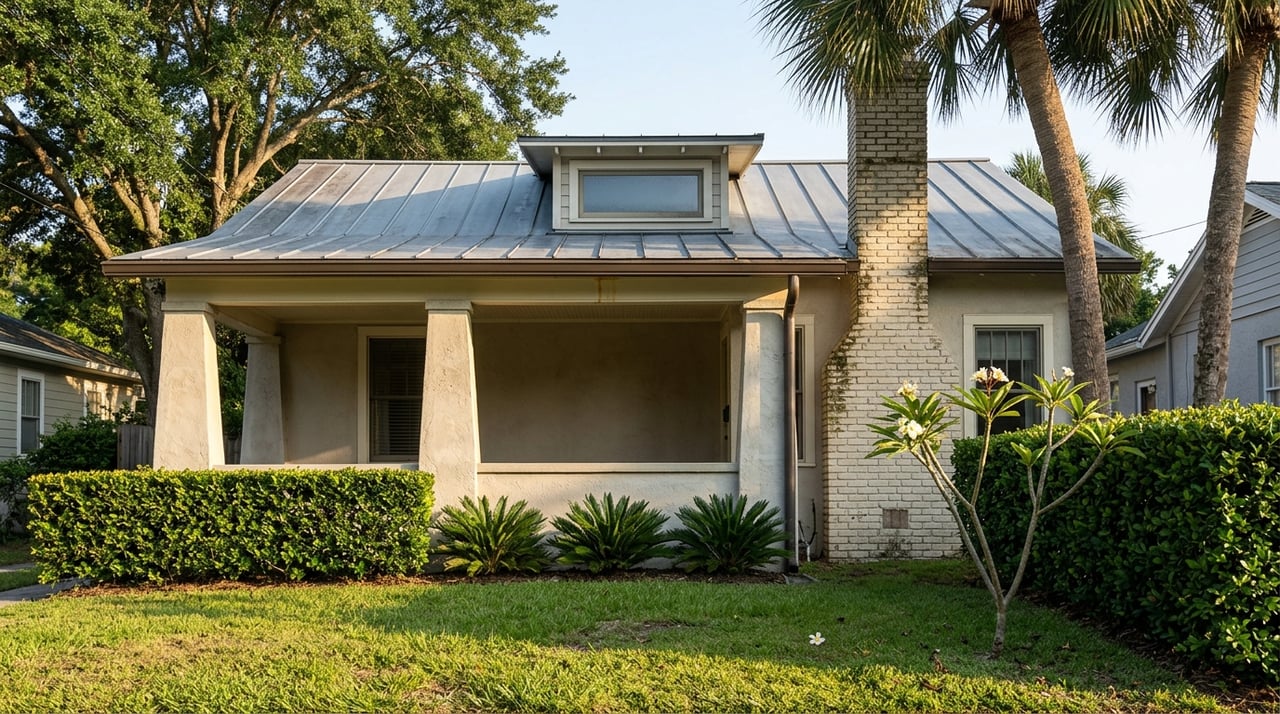
For many buyers, this is the classic Coral Gables look. These homes often feel elegant, shaded, and closely tied to outdoor living. Instead of all-glass openness, they usually offer a more sheltered and layered relationship between indoor and outdoor spaces.
What buyers often love
If you want strong street presence and a sense of history, Mediterranean Revival homes often stand out. They tend to deliver the character many buyers come to Coral Gables for in the first place.
The city’s design guidance also supports elements that enhance that experience. Open-air porches, windows and doors facing the street, lower building heights, and generous open space on the lot all help preserve the garden-city feel that defines many Coral Gables streets.
What ownership can involve
Historic character can come with more maintenance. Miami-Dade notes that in the county’s marine climate, moisture can penetrate stucco, masonry, and concrete, especially near exterior walls or anywhere water leaks occur.
The county also flags tile roofs, flat roofs, window sealants, and corrosion as recurring inspection items. In practical terms, a beautiful Mediterranean home may require you to pay closer attention to exterior finishes, drainage, roofing, and the condition of windows and doors.
Historic rehabilitation work in Coral Gables has included stucco repair, structural reinforcement, historically appropriate impact windows and doors, full mechanical and electrical replacement, and landscape work that preserves key historic features. That does not mean every home will need major work, but it does show the kinds of issues that can arise over time.
Mid-century and modern homes
What defines the style
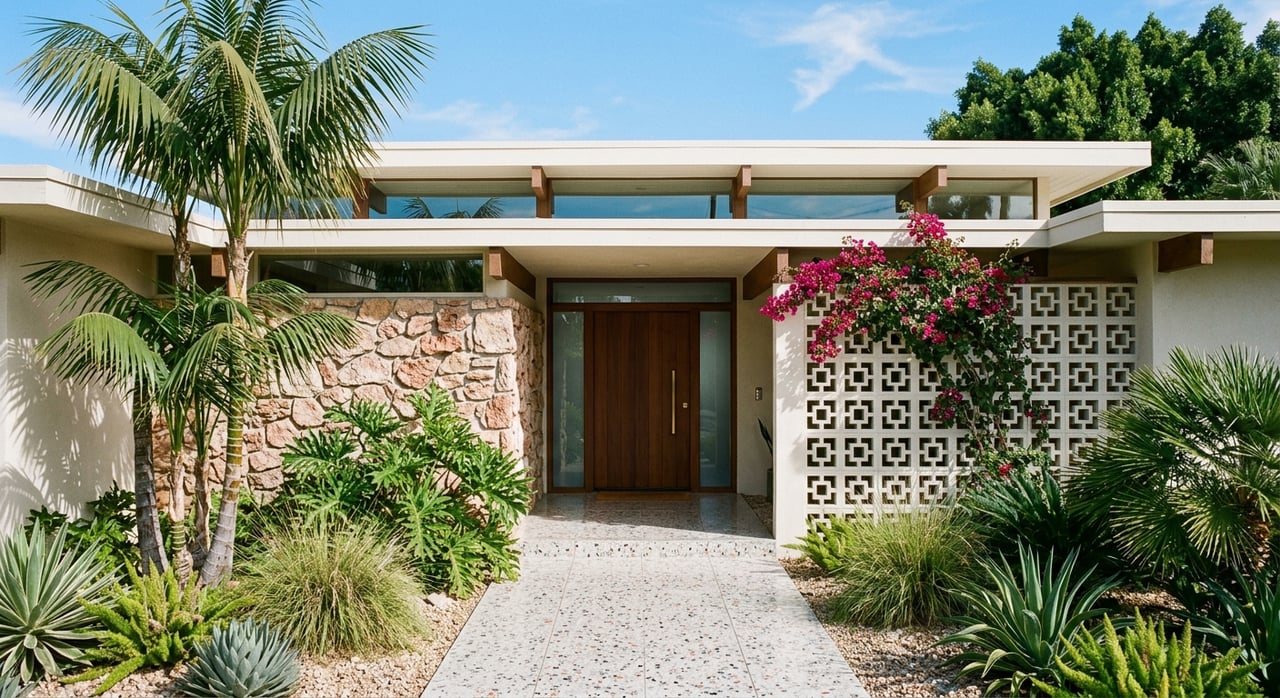
Coral Gables also includes later-era homes with a simpler architectural language. The city’s design materials specifically reference High Modern and Post-War Modern homes, which helps confirm that these styles are part of the local housing mix.
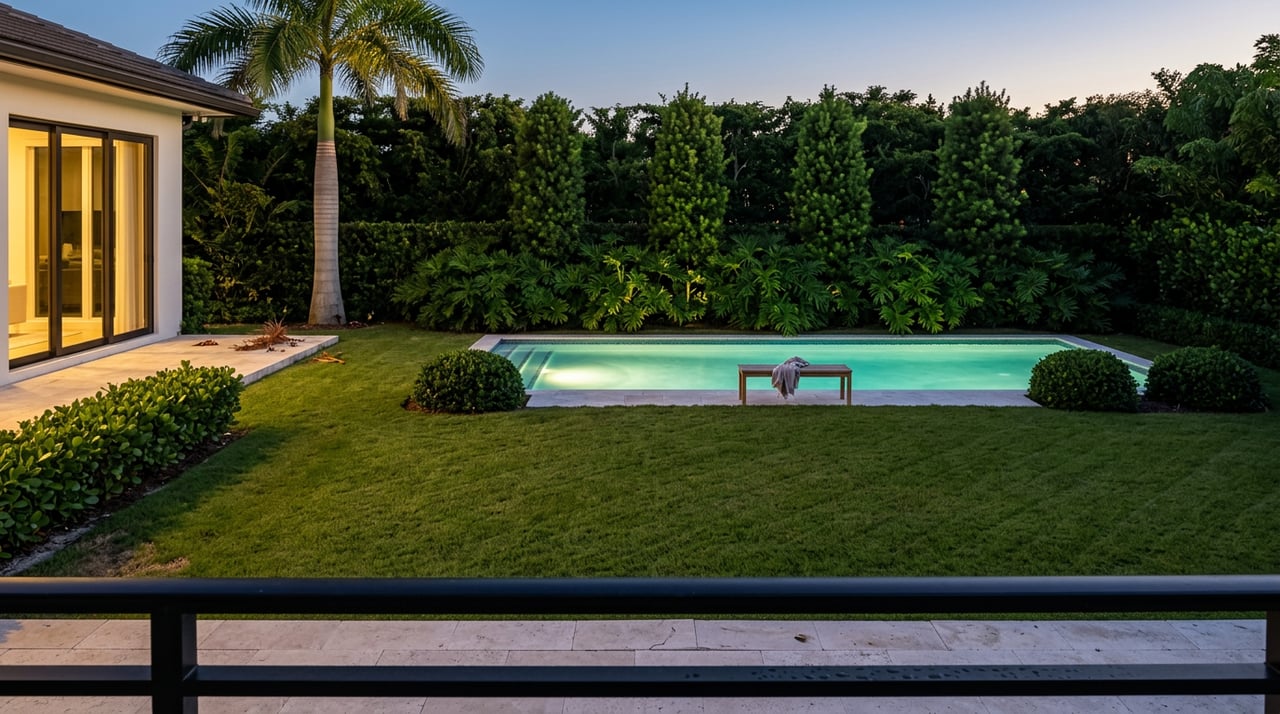
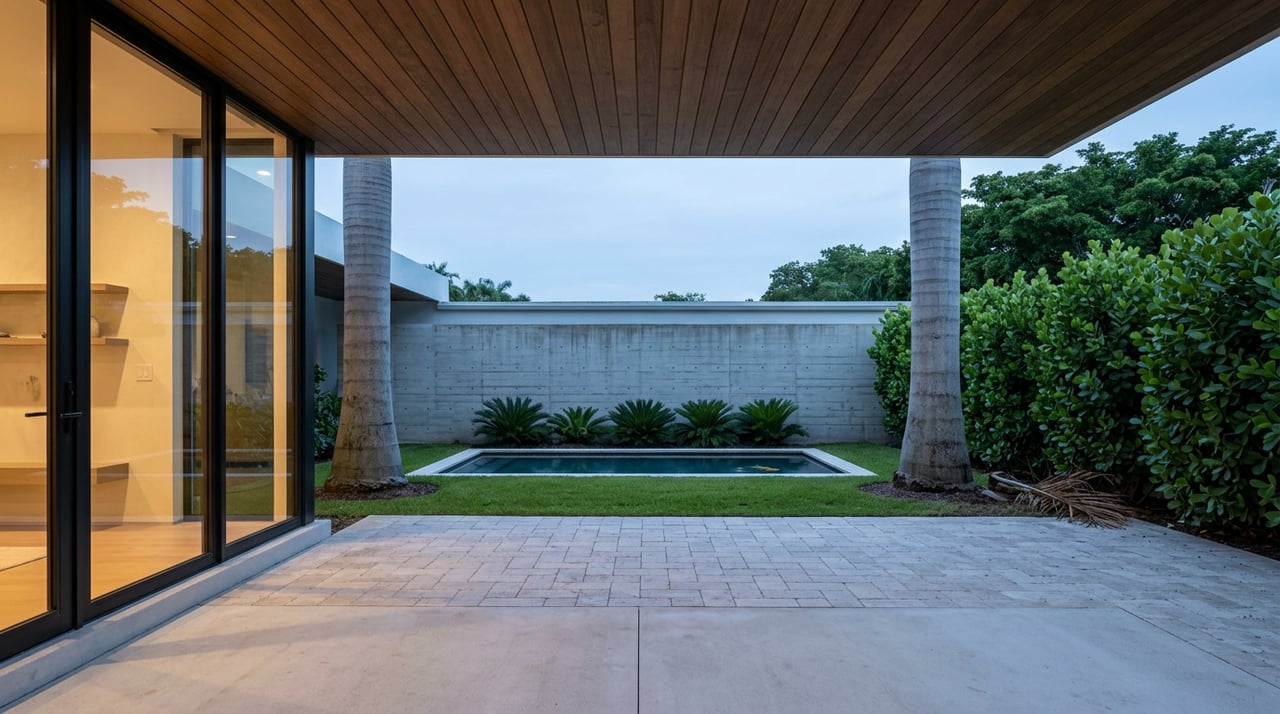
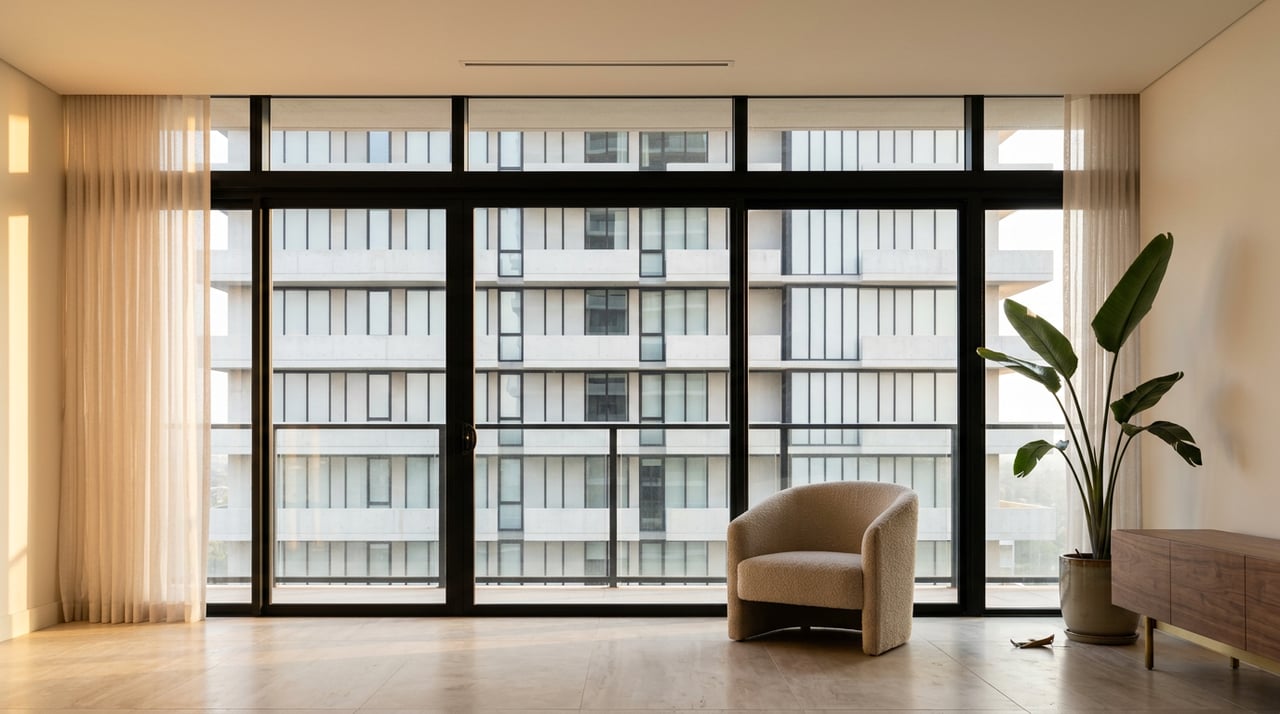
Mid-century modern architecture is generally known for low-slung forms, large expanses of glass, open plans, horizontal emphasis, and a strong connection to the site. In Coral Gables, that often translates to cleaner massing, fewer decorative details, and a more flexible indoor-outdoor layout than you typically see in a Mediterranean Revival home.
What buyers often love
If you prefer simpler lines and more adaptable interiors, these homes may feel easier to live in day to day. Open layouts can support changing needs over time, whether you want flexible entertaining space, room for a home office, or a less formal floor plan.
A well-designed modern or contemporary home may also involve less ornamental upkeep. For buyers who appreciate architecture but do not want carved details, heavy trim, or more traditional exterior features, that can be a real advantage.
What ownership can involve
Less ornament does not mean no maintenance. In South Florida’s humid marine environment, roofs, glazing, sealants, and corrosion protection can become major long-term concerns.
Contemporary design is also not treated as a blank check in Coral Gables. The city has been explicit that some later glass-heavy buildings did not fit the original Merrick-era vision, which helps explain why compatibility with surrounding context still matters during the review process.
Design review can affect your plans
Historic and landmark considerations
Before you buy, it is important to know whether a property is landmarked or located in a historic district. If it is, exterior changes may trigger additional review.
Miami-Dade’s preservation office oversees municipalities with their own historic preservation programs, and Coral Gables has its own Board of Architects. That board reviews new residences and many alterations, and applications may require surveys, contextual studies, and tree-protection documentation.
Why this matters to buyers
If you are dreaming about a fast exterior makeover, roof change, window replacement, or major addition, approvals may be a key part of the process. Even if the home is not historic, design compatibility can still matter in Coral Gables.
This does not have to be a drawback. For many buyers, these standards help preserve the visual consistency and long-term appeal that make Coral Gables so distinctive. The key is understanding the rules before you fall in love with a renovation plan.
How style connects to lifestyle
In Coral Gables, your preferred architectural style often points to a broader ownership profile. The right fit is not just about what looks best in photos. It is about how you want to live in the home and what kind of upkeep feels manageable to you.
Here is a simple way to think about it:
- Mediterranean Revival may suit you if you want historic character, strong curb appeal, shaded outdoor spaces, and a classic Coral Gables feel.
- Mid-century or contemporary may suit you if you want cleaner lines, larger openings, and a floor plan that feels more flexible.
- Either style can work well if you go in with a clear understanding of condition, maintenance, and local review requirements.
Questions to ask before you make an offer
A home’s style should shape your due diligence. Along with the usual inspection and financial questions, it helps to ask style-specific questions early.
Consider asking:
- Is the home landmarked or in a historic district?
- What exterior changes would require Board of Architects or historic-review approval?
- How old are the roof, windows, and exterior finishes?
- Are there signs of moisture intrusion, sealant failure, or corrosion?
- How much of the lot remains usable once setbacks, open-space expectations, and tree protection are taken into account?
These questions can help you move from admiring a home to understanding what ownership may actually look like.
What this means for buyers today
In Coral Gables, architecture is part of the value story. It shapes first impressions, lifestyle, maintenance, and future planning in ways that can feel more significant than in many other markets.
That is why buying here often benefits from a more detailed eye. It helps to understand not just whether a home is beautiful, but how its style interacts with local design standards, climate conditions, and your own long-term goals.
Whether you are drawn to a classic Mediterranean estate or a later modern design, the best choice is the one that matches both your taste and your comfort level as an owner. If you want help comparing Coral Gables homes through that lens, the team at Elena Kemper Group brings the kind of local guidance and hands-on support that can make the process feel clearer from the start.
FAQs
What is the most common architectural style in Coral Gables?
- Mediterranean Revival is the signature historic style in Coral Gables, with common features like stucco walls, barrel-tile roofs, courtyards, arches, and decorative detailing.
Are all Coral Gables homes Mediterranean Revival?
- No. Coral Gables includes a mix of architectural styles, including historic village designs, mid-century homes, and contemporary residences in addition to Mediterranean Revival properties.
Do historic Coral Gables homes need more maintenance?
- They can. Miami-Dade notes that moisture intrusion, stucco and masonry deterioration, roof issues, sealant wear, and corrosion are important concerns in the local marine climate.
Can you remodel a historic home in Coral Gables?
- You may be able to, but exterior changes can require review if the property is landmarked, in a historic district, or otherwise subject to Coral Gables Board of Architects oversight.
Are modern homes in Coral Gables easier to maintain?
- They may have less ornamental upkeep, but buyers should still pay close attention to roofs, glazing, sealants, and corrosion protection because of South Florida’s climate.
What should buyers check before buying a Coral Gables home?
- Buyers should ask about historic or landmark status, required design approvals, the age and condition of the roof and windows, exterior finish condition, and how lot rules may affect usable outdoor space.