Buying your first home in South Miami can feel exciting and overwhelming at the same time. Prices are high, inventory can move fast, and details like flood risk, inspections, and tax exemptions matter more than many buyers expect. If you want a clear picture of what to expect before you start touring homes, this guide will walk you through the process step by step. Let’s dive in.
Understand the South Miami market
South Miami is a small, established city with a distinct housing profile. The city encompasses about 2.5 square miles, and recent Census data shows 5,177 housing units, about 60% owner occupancy, and roughly 56% single-unit structures.
For a first-time buyer, that means you are shopping in a compact market where detached homes remain a major part of the inventory. It also means the character of the housing stock can vary, from older homes on established lots to newer infill or rebuilt properties.
Prices in South Miami are also well above the regional norm. Depending on the source and time period, recent reported figures place the citywide market in a broad range, including median values around $829,400 and median sale prices around $1.1 million to $1.299 million.
That range matters because it reminds you not to anchor your expectations to one headline number. In a premium market like South Miami, your budget, financing strength, and property priorities need to work together from the start.
Set your budget early
Before you look at homes, get clear on what you can comfortably afford each month. In addition to your mortgage payment, you will need to account for closing costs, moving expenses, repairs, home improvements, insurance, and property taxes.
That matters even more in South Miami because local home prices are high relative to household income. Census data shows a median household income of about $94,507, so monthly payment planning is a key part of buying responsibly here.
A smart budget is not just about the maximum a lender might approve. It is about choosing a payment that still leaves room for everyday life, future maintenance, and the unexpected costs that often come with homeownership.
Include South Miami-specific costs
When comparing homes, look beyond the purchase price. In South Miami, flood exposure, insurance needs, and the age or condition of the property can have a real effect on your total monthly and annual costs.
If you are considering an older home, repairs or updates may be part of the real budget. If you are considering a property in a Special Flood Hazard Area, flood insurance may also affect affordability and loan planning.
Get pre-approved and explore assistance programs
In a competitive market, pre-approval helps you understand your price range and show sellers that you are serious. It also gives you a more realistic view of your monthly payment before you start making offers.
If you are a first-time buyer, Miami-Dade County may offer useful support. The county says its First-Time Homebuyer Program can provide a below-market mortgage rate, and its down payment assistance program requires HUD-certified homebuyer counseling.
The county also defines a first-time buyer as someone who has had no ownership interest in a principal residence during the previous three years. Because program rules and income limits can affect eligibility, it is wise to verify those details early in your planning process.
Decide what type of home fits you
One of the biggest first-home decisions in South Miami is often choosing between an older home and a newer build or rebuild. Both can work well, but they come with different tradeoffs.
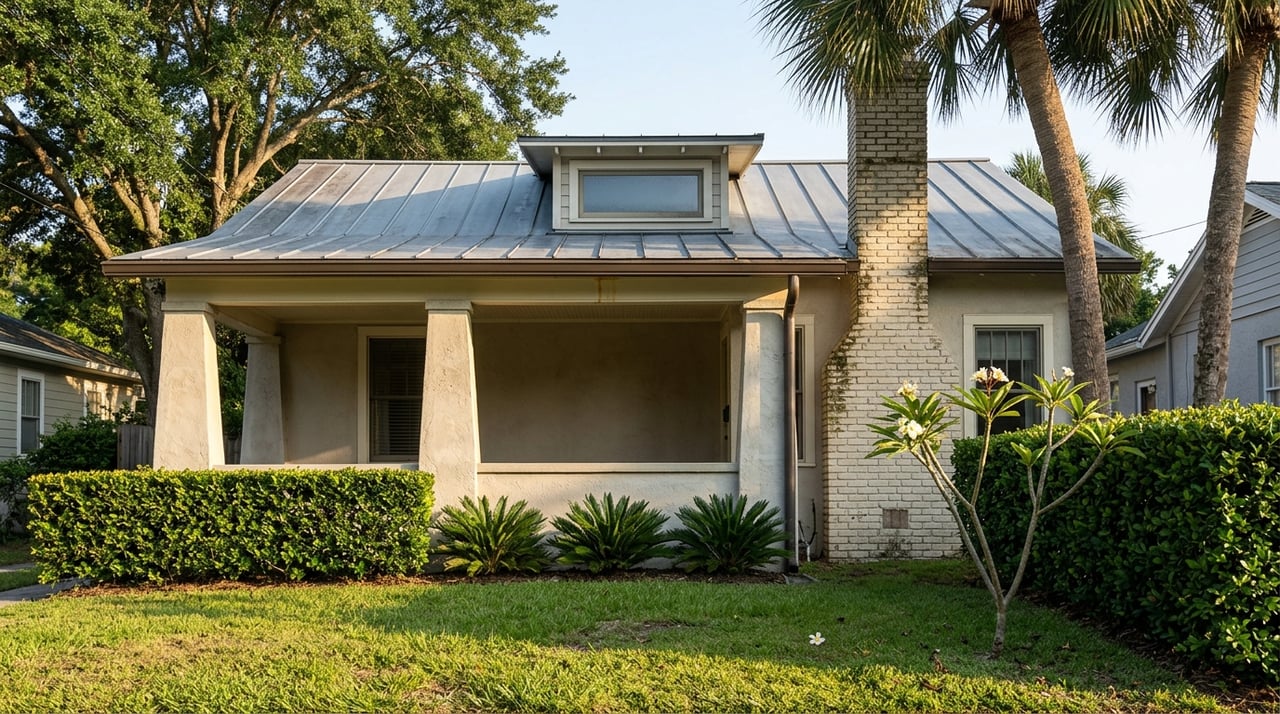
Older homes may offer established lots, mature surroundings, and classic character. Newer homes or infill construction may offer more updated layouts, systems, and finishes, which can mean fewer near-term projects.
South Miami’s planning documents emphasize infill, redevelopment, mixed-use areas, and housing choice. In practical terms, that means buyers often need to evaluate not just style and layout, but also whether a home has been renovated, rebuilt, or may need future work.
Questions to ask about older homes
If you are interested in an older property, due diligence becomes especially important. You will want to understand the home’s condition, permit history, and whether future changes could trigger additional review.
South Miami handles zoning questions, variances, rezoning, site plan review, tree-removal permits, and code-compliance matters. The city also lists historic-preservation applications and Certificates of Appropriateness, which can be relevant for older homes, major remodels, or teardown opportunities.
A few practical questions to keep in mind include:
- Has the property had major additions or renovations?
- Were those improvements properly permitted?
- Is the home in an area where historic-preservation review could matter?
- If you want to remodel later, what city approvals might be required?
Start touring with a strategy
It is easy to fall in love with finishes, staging, or curb appeal. But in South Miami, first-time buyers benefit from looking at each home through a wider lens.
As you tour, compare homes based on price, monthly cost, condition, location factors, and future flexibility. A home that looks appealing at first glance may carry higher ownership costs if it needs repairs, has flood-related expenses, or presents permit complications.
This is also where a local, detail-oriented approach matters. In a market with both established homes and newer redevelopment, you want to understand what you are really buying, not just how it looks on showing day.
Make an offer with key protections
Once the seller accepts your offer, the process moves into a more detailed review period. This is where the inspection, appraisal, title work, and property-specific research become critical.
The home inspection usually happens after an accepted offer and before closing. If your contract is contingent on a satisfactory inspection, you may be able to cancel without penalty if serious issues come up.
The appraisal is a separate step. While the inspection looks at condition, the appraisal estimates value for the lender.
Why inspections matter in South Miami
In South Miami, inspections matter for the usual reasons, but they can be especially important when the housing stock includes older properties, remodeled homes, and teardown or rebuild possibilities. A careful inspection helps you understand the true condition of the home before you close.
You should also ask practical questions about the property’s systems, repairs, and any signs of water intrusion or prior damage. If the home may need updates soon, that should factor into both your offer and your overall budget.
Review flood risk carefully
Flood risk is not a side issue in South Miami. The city says floods can occur at any time of year, with the highest-risk season running from June through October, and notes that its flat topography means flooding can occur in many areas.
That is why flood research should be part of your due diligence before closing. If a property is in a Special Flood Hazard Area, flood insurance may be required to secure a federally guaranteed mortgage.
South Miami also states that most homeowners insurance policies do not cover flood damage. For many buyers, that makes flood insurance a cost and risk question, not just a technical detail.
Local flood cost factors to compare
South Miami participates in FEMA’s Community Rating System as a Class 8 community. According to the city, that makes Special Flood Hazard Area properties eligible for a 10% flood-insurance discount.
That discount can help, but it should still be weighed alongside elevation, location, insurance requirements, and your comfort level with the property’s flood exposure. When you compare homes, make flood risk part of the same conversation as price, condition, and financing.
Understand title and closing steps
Title work is a standard part of closing, but it is easy for first-time buyers to overlook. Title insurance helps protect against issues such as defective or invalid titles, liens, and other legal claims against the property.
In simple terms, title review helps confirm that the seller can legally transfer ownership and that you are not inheriting hidden claims. It is one more reason why the contract-to-closing period deserves careful attention.
As closing approaches, your lender, title professionals, and real estate team will help coordinate the remaining steps. This stage often includes final numbers, document review, and a walk-through before the transaction is completed.
Plan for life after closing
Your work is not quite done once you get the keys. If the home will be your primary residence, Miami-Dade’s Property Appraiser says you should apply for homestead exemption.
For buyers moving from one homesteaded Florida home to another, portability can also affect the tax picture on the new purchase. The Property Appraiser’s office notes that homeowners should handle prior and new exemption records correctly so everything lines up.
If you plan to renovate after closing, keep city review in mind. Later additions, exterior changes, and teardown-and-rebuild plans may trigger zoning, permit, or historic-preservation review, so understanding the property’s long-term possibilities remains important even after the sale is complete.
A simple first-time buyer roadmap
If you want a straightforward way to think about the process, focus on these steps:
- Learn the South Miami price range and housing mix.
- Set a realistic monthly budget, including insurance, taxes, and repairs.
- Get pre-approved and check Miami-Dade first-time buyer programs.
- Decide whether an older home or newer build fits your goals.
- Tour homes with attention to condition, future costs, and location factors.
- Make an offer with strong inspection protections.
- Review appraisal, title, and flood risk carefully.
- Close, apply for homestead if eligible, and plan smartly for any future work.
Buying your first home in South Miami is a big step, but it becomes much more manageable when you break it into clear stages. In a market like this, the best decisions come from understanding the numbers, the property, and the local details all at once.
If you are preparing to buy in South Miami and want steady, local guidance from the first showing to the final walk-through, the Elena Kemper Group is here to help.
FAQs
What is the typical home price range for first-time buyers in South Miami?
- Recent sources place South Miami home values and sale prices in a broad range, with figures around $829,400 to about $1.299 million depending on the source and time period.
Why is pre-approval important when buying a first home in South Miami?
- Pre-approval helps you understand your real budget, estimate your monthly payment, and present a stronger offer in a premium market.
Are there first-time homebuyer programs in Miami-Dade County?
- Yes. Miami-Dade County says it offers a First-Time Homebuyer Program with a below-market mortgage rate and a down payment assistance program, both subject to eligibility requirements.
What should buyers know about flood risk in South Miami?
- South Miami says flooding can happen at any time of year, many areas can be affected due to flat topography, and properties in Special Flood Hazard Areas may need flood insurance for certain mortgages.
What is the difference between a home inspection and an appraisal in South Miami?
- An inspection evaluates the property’s condition, while an appraisal estimates the home’s value for the lender.
What should a buyer do after closing on a primary residence in Miami-Dade?
- If the home is your primary residence, you should apply for homestead exemption through the Miami-Dade Property Appraiser and review portability if it applies to your move.