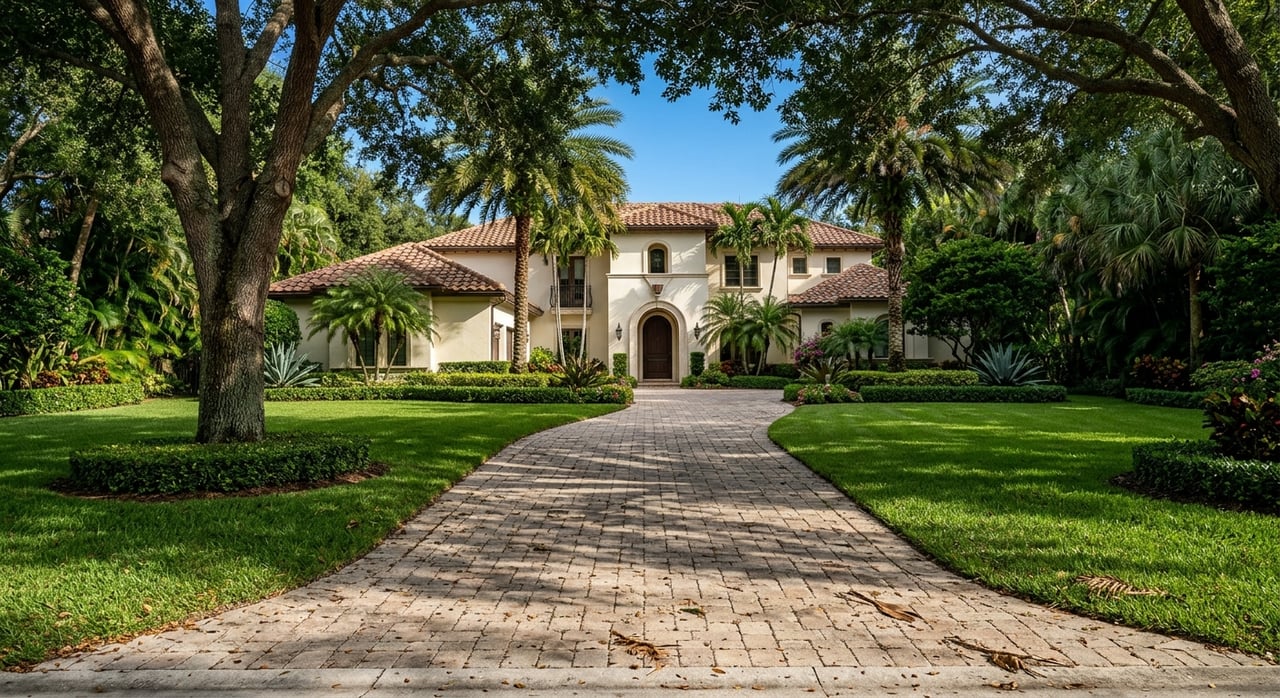
Choosing between Palmetto Bay and Pinecrest can feel tricky because on the surface, they share a lot. Both offer a lush South Miami setting, low-rise residential streets, and strong local identity. If you are trying to figure out which suburb better matches your lifestyle, daily routine, and home goals, this guide will help you compare the differences that matter most. Let’s dive in.
Why Palmetto Bay and Pinecrest Feel Similar
Palmetto Bay and Pinecrest sit next to each other in South Miami, and both are known for a green, residential character. You will find tree-lined streets, a suburban pace, and a strong focus on parks and outdoor living in both places.
That said, they are not interchangeable. Palmetto Bay has a stronger relationship to Biscayne Bay and a more varied residential framework, while Pinecrest is more closely tied to its estate-lot history, landscaped streets, and prominent US 1 retail corridor.
Palmetto Bay at a Glance
Palmetto Bay is located on the shores of Biscayne Bay, and its eastern boundary includes the bay itself. That geography shapes the feel of the village, especially if you value scenic outdoor spaces and a stronger connection to waterfront-adjacent amenities.
The village also describes itself as the “Village of Parks,” which gives you a good sense of its identity. If your ideal weekend includes green space, trails, and bay views, Palmetto Bay may stand out quickly.
What stands out in Palmetto Bay
- Biscayne Bay proximity
- A park-focused identity
- More variation in lot sizes and housing patterns
- A primarily residential setting with commercial uses concentrated along key corridors
- A developing mixed-use and downtown layer in certain areas
Pinecrest at a Glance
Pinecrest has a more inland setting and a long-established reputation for estate-style residential living. Its history points to ranch-style homes on acre lots developed in the 1950s and 1960s, and that pattern still influences how the village feels today.
You may notice a stronger sense of consistency from street to street in Pinecrest. The combination of larger residential lots, mature landscaping, and a clear US 1 commercial spine gives it a distinct rhythm.
What stands out in Pinecrest
- A more established estate-lot identity
- Tree-heavy, landscaped streets
- Parks and recreation facilities throughout the village
- A year-round community center and botanical garden destination
- A strong everyday retail corridor along US 1
Comparing Home Styles and Lot Sizes
For many buyers, this is where the decision starts. If lot size, home style, and neighborhood feel are at the top of your list, Palmetto Bay and Pinecrest offer different strengths.
Palmetto Bay homes and lots
Palmetto Bay’s land-use framework includes estate, low-density, and low-medium density residential categories. Its R-1 single-family zoning includes a minimum lot size of 7,500 square feet, while the E-M estate-modified district requires 15,000 net square feet.
In practical terms, this creates more variety. You can still find detached single-family neighborhoods, but the overall framework allows a broader mix in certain subareas, including townhouses and low-rise residential options near designated activity areas and corridors.
Pinecrest homes and lots
Pinecrest’s planning history reflects a stronger estate-lot tradition. Its comprehensive plan includes low-density estate designations such as one unit per gross acre, one unit per 25,000 gross square feet, one unit per 15,000 net square feet, and a 7,500 net square foot single-family designation.
That helps explain why Pinecrest often feels more uniform in its residential character. If you picture deeper setbacks, larger yards, and the classic South Miami ranch-era suburban feel, Pinecrest is often the clearer match.
Best fit by housing preference
If you want the most traditional acre-lot feel, Pinecrest usually has the edge. If you want a single-family neighborhood with a little more flexibility in lot sizes and residential patterns, Palmetto Bay may give you more options.
Parks, Outdoor Life, and Recreation
Both communities offer strong outdoor amenities, but the experience is not exactly the same. Your decision may come down to whether you are drawn more to bay access or to a broader mix of recreation facilities and destination parks.
Palmetto Bay outdoor lifestyle
Palmetto Bay is home to seven recreational facilities, including Charles Deering Estate and Bill Sadowski Park. The village highlights Coral Reef Park, which spans more than 50 acres, Palmetto Bay Park at 25 acres, Perrine Wayside Dog Park at 3 acres, and Thalatta Estate Park, which is the only facility with direct access to Biscayne Bay.
Thalatta Estate Park plays a major role in the village’s identity because it sits on the shores of Biscayne Bay and offers bay views. The village also emphasizes Old Cutler Road, local trails, and natural floodplain and environmental features that support its outdoor appeal.
Pinecrest outdoor lifestyle
Pinecrest’s parks department notes eight parks, and its current facilities include places such as Coral Pine Park, Evelyn Greer Park, Flagler Grove Park, Pawcrest Park, Red Road Linear Park, Suniland Park, Veterans Wayside Park, and the Pinecrest Community Center. Coral Pine Park includes lighted walking paths, pickleball and tennis courts, and a 2.9-acre pineland preserve.
Pinecrest also features Pinecrest Gardens, a 14-acre botanical garden with historic roots, along with a community center that offers a gym, classes, programs, and an indoor play zone. If you want a recreation-rich village with active amenities and landscaped public spaces, Pinecrest brings a lot to the table.
Shopping, Errands, and Daily Convenience
Your day-to-day routine can shape your experience just as much as your home does. This is one of the clearest differences between the two villages.
Palmetto Bay daily rhythm
Palmetto Bay describes itself as a fundamentally low-density residential community, with most commercial and office uses centered along the US 1 corridor. These areas include retail shopping plazas, office buildings, large-box retailers, and auto dealerships.
The village has also introduced a more walkable mixed-use layer through its downtown code, which promotes ground-level commercial uses, compact mixed-use buildings, bikeable and walkable streets, and stronger street connectivity. Village services also include passport services, garbage collection coordination, on-street parking information, and ride options such as I-Bus and Freebee.
Pinecrest daily rhythm
Pinecrest says more than 750 businesses line its western boundary on Pinecrest Parkway and US 1. That creates a strong commercial corridor for everyday errands, dining, and retail access.
The village also offers Freebee, a free on-demand ride service that connects local destinations and links to the South Dade Transitway and Metrorail station on weekdays and Saturdays. If convenience and a clearly defined retail spine are high priorities, Pinecrest often feels stronger in that category.
Which Suburb Fits You Best?
There is no one-size-fits-all winner here. The better choice depends on what matters most to you.
Palmetto Bay may fit you better if you want:
- A stronger connection to Biscayne Bay
- Bay-adjacent parks and scenic outdoor settings
- A mostly residential environment with a park-forward identity
- More variety in lot sizes and residential patterns
- Interest in areas near a growing village-center or mixed-use feel
Pinecrest may fit you better if you want:
- A more established estate-lot setting
- The classic ranch-era South Miami suburban feel
- A village shaped by mature landscaping and tree canopy
- A recreation network centered on parks, a community center, and botanical-garden style amenities
- Easier access to a major everyday retail corridor along US 1
A Simple Way to Decide
If your vision leans toward bayfront-adjacent park life, scenic outdoor access, and more housing variety, Palmetto Bay may be the better match. If you are drawn to estate-style residential character, a consistent suburban feel, and a stronger retail corridor for daily errands, Pinecrest may be the better fit.
The good news is that both villages offer a distinctive South Miami lifestyle, and the right choice often becomes clearer once you narrow your priorities. When you compare lot size, outdoor preferences, and how you want your daily routine to feel, the answer usually starts to come into focus.
If you are weighing Pinecrest, Palmetto Bay, or both, the right local guidance can save you time and help you focus on the neighborhoods and property types that fit your goals. The Elena Kemper Group brings decades of South Florida experience and a hands-on, relationship-first approach to help you buy or sell with confidence.
FAQs
What is the main lifestyle difference between Palmetto Bay and Pinecrest?
- Palmetto Bay has a stronger bay-oriented and park-focused identity, while Pinecrest is more defined by estate-style residential streets, landscaped surroundings, and a prominent US 1 retail corridor.
Which suburb has larger lots, Palmetto Bay or Pinecrest?
- Pinecrest is more closely associated with estate-lot living and ranch-era acre-lot development, while Palmetto Bay generally offers more variety in lot sizes and residential patterns.
Which area is better for parks and outdoor recreation, Palmetto Bay or Pinecrest?
- Both offer strong park systems, but Palmetto Bay stands out for direct Biscayne Bay access at Thalatta Estate Park, while Pinecrest stands out for its mix of active recreation, Pinecrest Gardens, and the community center.
Which suburb is better for errands and shopping, Palmetto Bay or Pinecrest?
- Pinecrest generally offers a stronger everyday retail experience because more than 750 businesses line its US 1 corridor, while Palmetto Bay keeps most commercial activity concentrated along corridors and downtown areas.
Is Palmetto Bay or Pinecrest better for buyers who want a more traditional South Miami feel?
- If by traditional you mean classic acre-lot, ranch-style suburban character, Pinecrest is often the closer fit based on its history and land-use pattern.